The chassis and slewing structure of construction machinery are the core load-bearing components for machine rotation and operation. Among them, the excavator slewing bearing base bears the full load of the upper cab, boom and hydraulic system. The welding precision and weld strength directly determine the service life and construction safety of the equipment. Recently, our automatic welding workshop has completed batch processing of large-scale excavator slewing bearing frames. The whole production process is recorded on camera, which intuitively demonstrates our complete production capacity and standardized manufacturing strength as a physical factory.
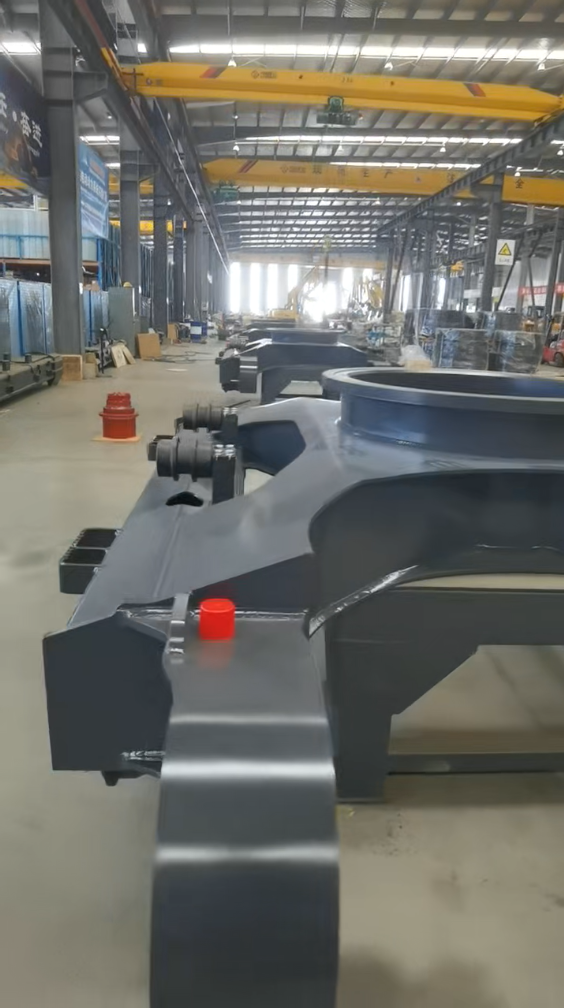
As shown in the on-site production footage, the large slewing bearing frame processed this time is integrally assembled and welded with thickened high-strength alloy steel plates, matched with standard flange slewing ring bases. The workshop is equipped with six-axis industrial welding robots to implement automatic submerged arc welding for the annular welds of slewing bearings. Different from traditional manual welding, robotic welding can stably control welding current and traveling speed to ensure uniform penetration of annular welds, effectively avoiding common industry defects such as incomplete fusion, slag inclusion and uneven weld height.
Industry Popular Science: Core Technical Points for Slewing Bearing Frame WeldingRequirements for Base Material Selection Excavators operate under heavy rotating loads in earthmoving and mining conditions for a long time. The main plates of slewing bearings must be made of low-alloy high-strength wear-resistant steel plates. The plate thickness and bending radian strictly comply with load standards for heavy construction machinery. Thick-plate components require pre-treatment for stress relief in advance to prevent deformation and cracking of finished products during long-term service.
Difficulties in Annular Weld Welding The slewing bearing flange features a 360° continuous annular weld. Manual welding tends to produce welding discontinuities at arc start and arc stop positions. Automatic robots enable uninterrupted circumferential welding, boosting the consistency of weld formation by over 80%. All finished workpieces will go through ultrasonic non-destructive testing to detect microcracks inside welds.
Structural Precision Control Standards After integral forming of the frame, the flatness and concentricity error of the slewing flange shall be controlled within 0.05mm. Excessive welding deformation will cause abnormal wear of slewing ring gears and jamming during rotation, greatly shortening the maintenance cycle of the excavator slewing mechanism. Every finished product from our factory undergoes 3D dimension inspection and correction.
Equipped with complete supporting production facilities including self-owned sheet metal workshops, automatic welding stations and non-destructive testing lines, our factory can independently complete the R&D and processing of full-series chassis slewing structural parts for excavators and bulldozers, without outsourced processing or assembly of purchased semi-finished products. The real workshop scenes and robotic processing procedures captured on video fully verify our qualification as a physical manufacturing factory.
We provide one-stop production services including complete machine matching structural parts and customized OEM production for global customers, and clients are welcome to visit our factory and observe the whole production process on site.
In the future, the factory will continuously upgrade automatic welding and intelligent inspection production lines, control the quality of core structural parts with refined welding technology, and supply more durable and stable original supporting structural components for construction machinery equipment.
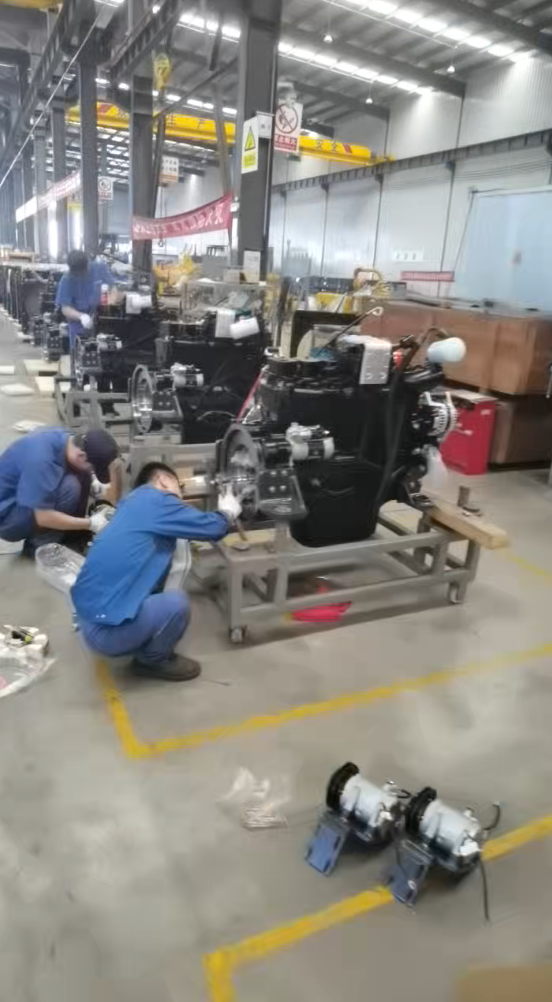 Workshop Assembly of Excavator
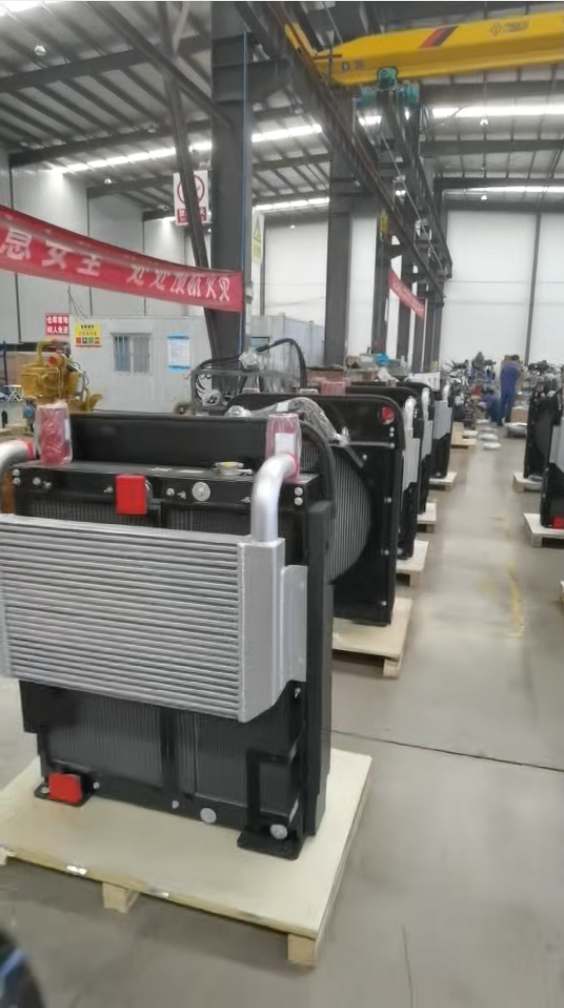 Workshop Update: Bulk Excavato
 Headline
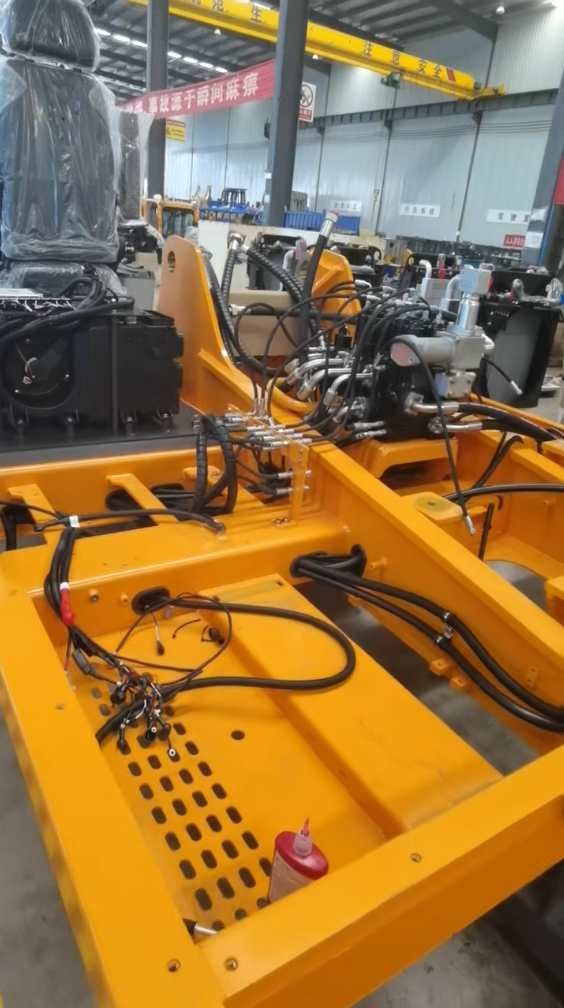 Excavator Assembly Production